

Drowning is preventable
Don't stop believing it
Drowning Prevention Starts with the Mind.
A child can drown in 20 to 60 seconds. In 88% of cases, an adult is nearby.
The problem is not always that no one was watching. The problem is that no one was truly present.
M2O Swim Alliance exists to close that gap.
We live in a world engineered to divide our attention. Presence is a skill that has to be taught, practiced, and protected — and water is one of the few places left where it is not optional.

A child can drown in 20 to 60 seconds.
In 88% of cases, an adult is nearby.
The question is not whether someone is watching. The question is whether they are truly present.
Source: Safe Kids Worldwide / NDPA
Black children ages 10–14 drown at 7.6 times the rate of white children. Nearly 80% of children in lower-income households have few or no swim skills.
Drowning is a public health crisis with known causes, known solutions, and an unacceptable gap between what we know and what we do.
4500+
People in the US drown every year
#1
Cause of death in children under 5 years old
88%
Of child drowning happens with at least one adult present
7x
More children are treated in the ER for near-drowning, often facing serious complications like brain injury
$53B+
The annual economic cost of drowning in the United States

The mind is the first line of safety
Our name, M2O, is our method. M is the mind — the first layer of protection in and around water. 2 is two modes of one discipline: reading the water accurately, and being present with the people beside you on land. O is oxygen. The breath is the first thing fear disrupts and the first thing skill restores.
Every M2O program is built around three practices drawn from mental health, somatic awareness, and behavioral science, and adapted for the water by professionals with experience in both fields. These are not soft skills. They are survival skills.

BREATH REGULATION
Slow, deliberate breathing activates the parasympathetic nervous system, lowers cortisol, and shifts the body from reactive to responsive. In the water, this is the difference between a swimmer who panics and one who survives.
BODY SCANNING
Tension in the shoulders. Tightness in the chest. A clenched jaw. The body knows danger before the mind names it. We teach people to read those signals before they enter the water.
EMOTIONAL IDENTIFICATION
A person who can name what they are feeling can manage what they are feeling. A child who can say 'I am scared' is already safer than a child who cannot. This is not therapy. It is awareness. And awareness saves lives

When we are emotionally aware, we become situationally aware. That's what saves lives.
What we actually do
We reach the schools that have no pools. We train the veterans who will become lifeguards. We equip the grandparents who are already at the water's edge. And we build the data infrastructure that tells counties where the next drowning is most likely to happen, before it does.
Our programs run in classrooms, gymnasiums, pools, and living rooms. They reach the families who need them most — communities where nearly 80% of children have few or no swim skills, not because they chose this, but because the system never reached them.
Every M2O program is owned by the Alliance and built on a single belief: the next great advance in water safety does not happen in the water. It happens in the mind, before anyone gets near the water at all.
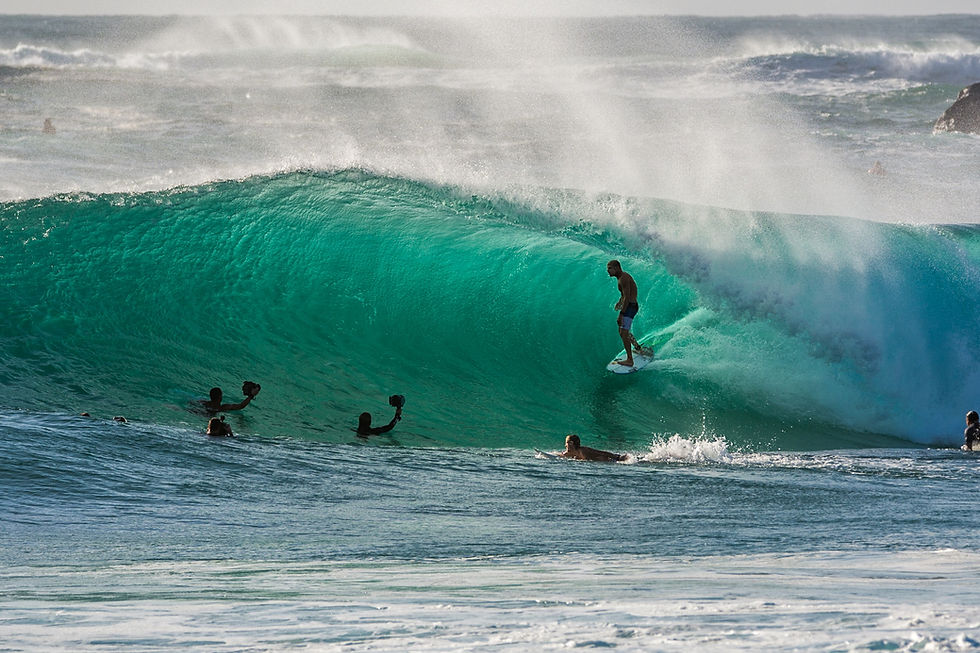
Know your mind
Read the water
Somewhere right now, a child is near water. An adult is present. But not prepared. That gap is the one we exist to close.
What we need are partners who believe, as we do, that drowning is preventable and that the next great advance in water safety begins with the mind.
Drowning is preventable. Don't stop believing it.